

Smart manufacturing is redefining how industries design, produce, and deliver products. With the rise of automation, robotics, and data-driven systems, factories are becoming faster, more flexible, and more efficient than ever before. At the heart of this transformation lies a critical component that often determines the success of robotic automation—the industrial robot gripper. Acting as the “hand” of a robot, grippers enable machines to handle, position, and manipulate objects with precision and reliability.
As manufacturing environments demand greater adaptability, the universal robot gripper has emerged as a powerful solution for smart factories focused on flexibility, scalability, and productivity.
The Role of Industrial Robot Grippers in Smart Manufacturing
An industrial robot gripper is a mechanical or mechatronic device mounted on a robot arm to grasp, hold, or release workpieces. Whether used for pick-and-place tasks, machine tending, assembly, or packaging, the gripper directly affects cycle time, accuracy, and overall system efficiency.
In smart manufacturing, robots must handle varying product sizes, shapes, and materials. This requires grippers that are not only precise but also adaptable to changing production needs. Advanced grippers support real-time control, feedback systems, and seamless integration with digital manufacturing platforms.
Evolution from Traditional to Universal Robot Grippers
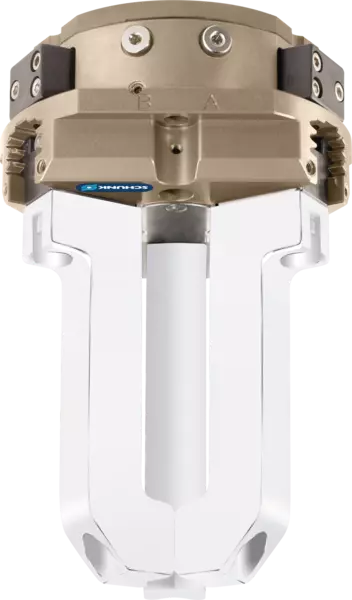
Traditional grippers were often application-specific, designed for a single task or part geometry. While effective in fixed production lines, they lacked the flexibility required for modern manufacturing models such as high-mix, low-volume production.
The universal robot gripper addresses this limitation by offering adjustable gripping force, interchangeable fingers, and compatibility with multiple robot brands. These grippers can handle a wide range of components without frequent tool changes, making them ideal for smart manufacturing environments.
Key Features of Modern Industrial Robot Gripper Solutions
Smart factories rely on intelligent and robust gripper technologies. Some defining features of advanced industrial robot gripper solutions include:
Precision and Repeatability
Accurate gripping ensures consistent positioning, which is critical for machining, assembly, and inspection processes.
Flexibility and Adaptability
A universal robot gripper can handle multiple part types, reduce downtime and increasing production agility.
Sensor Integration
Many grippers now include force, position, or tactile sensors that enable feedback-driven control and error detection.
Compact and Lightweight Design
Optimized gripper designs reduce payload stress on robot arms, improving speed and energy efficiency.
Easy Integration
Modern grippers are designed to integrate seamlessly with collaborative robots, industrial robots, and automation systems.
Read also: 3 Jaw Chuck vs Collet Chuck: A Practical Guide for Engineers and Machinists
Applications of Industrial Robot Grippers in Smart Factories
The versatility of the industrial robot gripper makes it suitable for a wide range of smart manufacturing applications.
Pick-and-Place Operations
Robotic grippers are widely used to move components between stations with speed and precision.
Machine Tending
In CNC machining and injection molding, grippers load and unload parts efficiently, supporting continuous operation.
Assembly Processes
Grippers enable accurate placement of components, even in complex or delicate assembly tasks.
Packaging and Palletizing
A universal robot gripper can handle cartons, bags, or irregular packages, making it ideal for end-of-line automation.
Quality Inspection
Robotic grippers position components for vision systems or testing equipment, improving inspection consistency.
Advantages of Universal Robot Grippers in Smart Manufacturing
The shift toward smart manufacturing has increased the demand for adaptable automation solutions. A universal robot gripper offers several advantages:
- Reduces the need for multiple dedicated grippers
- Enables faster product changeovers
- Supports collaborative and flexible production cells
- Lowers tooling and maintenance costs
- Enhances return on investment for robotic systems
These benefits align perfectly with the goals of smart manufacturing—efficiency, flexibility, and scalability.
Integration with Industry 4.0 Technologies
Smart manufacturing is closely linked with Industry 4.0 concepts such as connectivity, data analytics, and intelligent control systems. Advanced industrial robot gripper solutions are increasingly equipped with digital interfaces that allow monitoring of gripping force, cycle count, and wear conditions.
This data-driven approach enables predictive maintenance, reduces unexpected downtime, and improves overall equipment effectiveness. When combined with automation software and robotic controllers, grippers become intelligent tools rather than passive components.
Safety and Collaboration in Modern Gripper Design
As collaborative robots become more common, safety is a critical consideration. Modern universal robot gripper designs incorporate rounded edges, force-limiting features, and compliant mechanisms to safely operate alongside human workers.
These features allow robots to share workspaces with operators while maintaining productivity and safety standards.
Choosing the Right Industrial Robot Gripper
Selecting the correct industrial robot gripper depends on several factors:
- Type, size, and weight of the workpiece
- Required gripping force and precision
- Production speed and cycle time
- Level of automation and flexibility needed
- Compatibility with existing robot systems
Careful evaluation ensures that the gripper supports long-term manufacturing goals rather than limiting system performance.
The Future of Robot Gripper Technology
The future of smart manufacturing will continue to push gripper technology toward greater intelligence and adaptability. Developments such as AI-driven gripping, soft robotic grippers, and advanced material technologies are expanding what an industrial robot gripper can achieve.
The universal robot gripper will play a central role in factories that prioritize rapid changeovers, customization, and sustainable production.
Conclusion
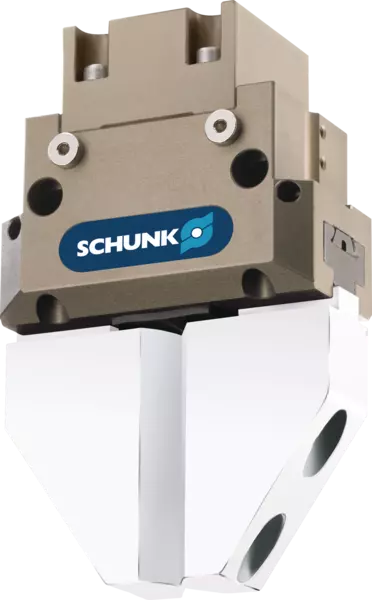
Industrial automation depends on reliable, flexible, and intelligent end-of-arm tooling. The industrial robot gripper is no longer just a mechanical accessory—it is a strategic component of smart manufacturing systems. With the rise of the universal robot gripper, manufacturers can achieve higher flexibility, reduced downtime, and improved operational efficiency.
As smart factories evolve, innovative companies like Schunk continue to support advanced gripper solutions that empower manufacturers to meet modern production challenges with confidence and precision.
Pingback: 3 Jaw Chuck vs Collet Chuck: A Practical Guide for Engineers and Machinists